
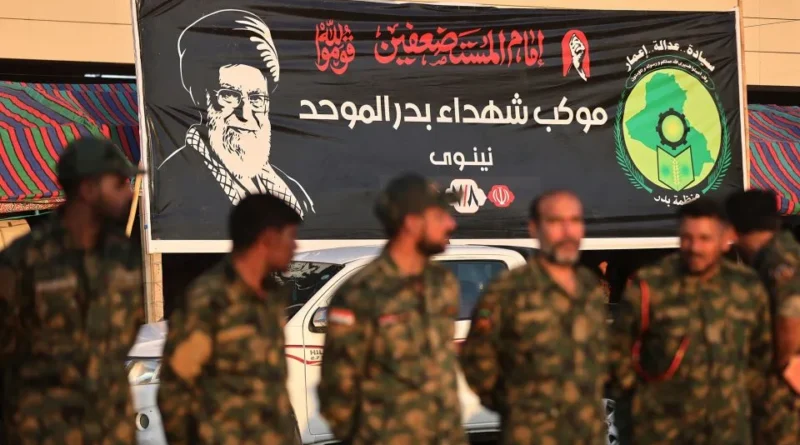
Iran’s allied militias prove their value in Tehran’s widening war
Resurgence of Iran-Backed Armed Groups: Strategic Implications for the Middle East
The resurgence of armed groups loyal to Tehran across the Middle East is reshaping geopolitical dynamics, reinforcing Iran’s strategic leverage against its adversaries, particularly the United States and Israel. This development signals not only a revival of the so-called “Axis of Resistance” but also a strategic recalibration that could have far-reaching implications for regional stability and global economic interests.
The Revival of the “Axis of Resistance”
Historical Context and Recent Developments
For decades, Iran-supported militias have acted as a deterrent against direct attacks on Iran, forming a crucial element of the “Axis of Resistance.” This alliance faced significant setbacks following Israel’s aggressive military responses to the 2023 Hamas attacks. However, recent events indicate a revival of these groups, as they open new fronts and apply pressure on Iran’s adversaries.
- Strategic Deterrence: These groups have historically prevented direct military actions against Iran.
- Recent Setbacks: The Axis was weakened post-2023 due to Israeli military actions.
- Current Resurgence: Armed groups are re-emerging, complicating regional conflicts and potentially disrupting global trade routes.
Tehran’s Strategic Response
Iran’s reaction to its weakened position wasn’t withdrawal but reinvestment in its network of allies. This strategy underscores Iran’s commitment to maintaining its influence and countering threats from the US and Israel.
- Reinvestment in Alliances: Strengthening ties with regional militias to bolster defense.
- Decapitation Campaigns: Israel’s attempts to neutralize key figures have only temporarily disrupted these groups.
Complex Alliances and Shared Interests
Beyond Simple Proxy Dynamics
The relationship between Iran and these armed groups is multifaceted, driven by shared ideological and geopolitical goals rather than mere proxy dynamics.
- Independent Motivations: Each group has unique interests that align with Iran’s broader strategic objectives.
- Case Study – Houthis: Currently, the Houthis in Yemen are demonstrating significant operational independence, targeting Saudi interests and reopening air links with Tehran.
Strategic Gains and Regional Leverage
The coordinated actions of these groups are transforming periods of confrontation into opportunities to strengthen Iran’s regional position.
- Economic Impact: Attacks on Saudi oil facilities underscore the potential for economic disruption.
- Geopolitical Influence: Reopening airspace and attacking strategic targets enhance Iran’s leverage.
Industry Impact: Strategic Takeaways
The resurgence of Iran-backed groups signals a shift in Middle Eastern power dynamics with implications for international relations and global markets.
- Energy Security: Threats to oil facilities and shipping lanes could impact global energy prices.
- Geopolitical Stability: Increased tensions may lead to further regional instability.
- Strategic Alliances: Nations must reassess alliances and strategies in response to Iran’s growing influence.
Iran’s ability to rebound and adapt underscores the resilience of its strategic alliances. For policymakers and industry leaders, understanding these dynamics is crucial for navigating the complexities of Middle Eastern geopolitics and mitigating associated risks.


