
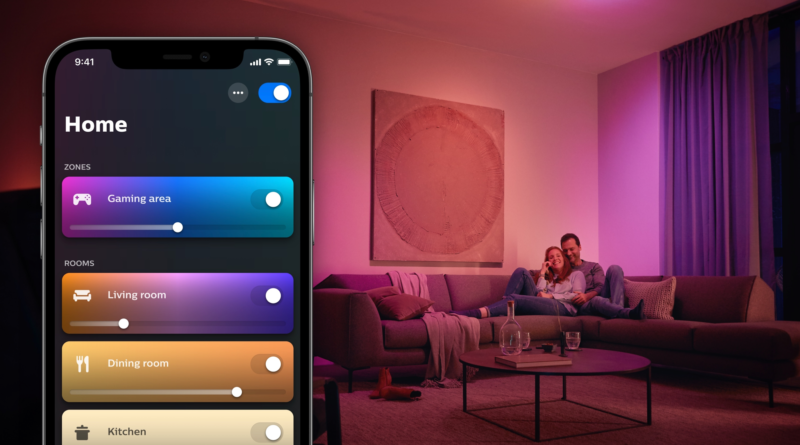
Philips Hue just launched its ambitious Custom AI Behaviors, but early teething troubles show the smart assistant might not be quite ready for prime time
Philips Hue’s AI Innovations: What You Need to Know
Philips Hue is making waves with its latest integration of AI technology, promising a transformative experience in smart home automation. However, the initial rollout of these features reveals both potential and growing pains.
Unpacking Philips Hue’s AI Features
Introducing Custom AI Behaviors
Philips Hue has launched Custom AI Behaviors in its app, designed to enhance how users interact with their smart lighting systems. These features allow users to describe desired behaviors in natural language, which the AI translates into specific commands for the Hue system.
- Ease of Use: Speak your desired lighting setup, and AI handles the programming.
- Hue Bridge Pro Required: These features are exclusive to users with the Hue Bridge Pro.
- Current Limitations: Users cannot manually edit the AI’s generated behaviors.
Challenges with the New System
Despite the promise of a seamless experience, users have reported some hiccups. For instance, when attempting to program specific lights to activate at sunset, the AI mistakenly activated all lights instead. Further attempts to correct this issue resulted in error messages, highlighting the limitations of the AI’s current logic.
Why This Matters
The Potential of AI in Smart Homes
The integration of AI into smart home systems like Philips Hue represents a significant step forward in home automation. By simplifying the programming process, AI can make smart home technology more accessible to a broader audience.
Growing Pains and Future Improvements
While the initial release has its issues, these are typical of new technology rollouts. Philips Hue is known for its responsive updates, suggesting that improvements and enhancements are likely on the horizon.
- User Feedback: Essential for refining and improving AI functionality.
- Comparisons to Competitors: Unlike Apple’s Shortcuts, the lack of customization in Hue’s AI behaviors is a notable drawback that may be addressed in future updates.
Key Takeaways
- Innovation with Caveats: Philips Hue’s AI features offer exciting possibilities but are currently limited by initial bugs and a lack of customizability.
- Exclusive to Pro Users: The need for the Hue Bridge Pro may limit accessibility for some users.
- Anticipated Updates: As user feedback is gathered, expect refinements that could make these AI features a game-changer in smart lighting.
In summary, Philips Hue’s venture into AI is a promising development in smart home technology. While the initial rollout has encountered some challenges, the potential for user-friendly automation is significant, with future updates likely to address current limitations.


