
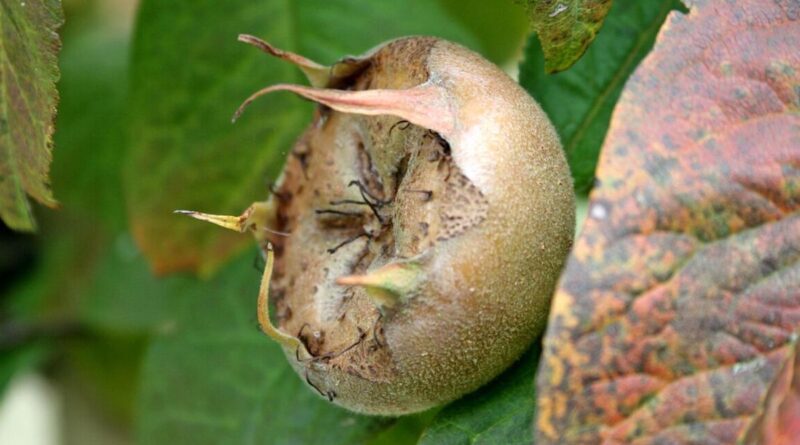
The ancient fruit Britain forgot about
Reviving the Medlar: A Forgotten Fruit Makes a Comeback
Once a staple in ancient diets, the medlar fruit has nearly vanished from modern consumption. Yet, Jane Steward is on a mission to reintroduce this intriguing fruit to our tables.
The Medlar’s Historical Significance
A Fruit of Antiquity
- Cultivated for over 3,000 years, the medlar was a dietary staple in regions of Southwest Asia and Southeastern Europe.
- Romans likely introduced the medlar to the UK, appreciating its unique taste akin to applesauce with a hint of citrus.
Decline in Popularity
- Despite its historical prevalence, the medlar fell out of favor by the mid-20th century.
- Contributing factors include its unappealing brown color and the laborious “bletting” process required to make it edible.
Jane Steward’s Passionate Revival
A Personal Journey
- Steward’s fascination began with a family connection, leading her to establish an orchard with 115 medlar trees in Norfolk.
- Her dedication extends beyond cultivation; she creates medlar products like jelly, chutney, and gin, aiming to spark public interest.
Challenges and Perceptions
- The medlar’s appearance and the patience required for bletting pose challenges in a society accustomed to instant gratification.
- Steward educates the public through talks and a cookbook, advocating for the fruit’s health benefits despite its unconventional look.
Industry Impact
Rediscovering Heritage Foods
- Steward’s efforts highlight a growing trend towards heritage and forgotten foods, reflecting a broader interest in diverse and sustainable diets.
- Reviving such fruits can enrich biodiversity and offer unique culinary experiences.
Key Takeaways
- The medlar’s revival underscores the importance of overcoming aesthetic biases and appreciating food for its taste and nutritional value.
- Embracing diverse fruits can lead to more sustainable agricultural practices and a richer culinary landscape.
Jane Steward’s mission is a testament to the potential of forgotten foods. As awareness grows, the medlar might just find its way back into our fruit bowls, offering a taste of history with every bite.
