
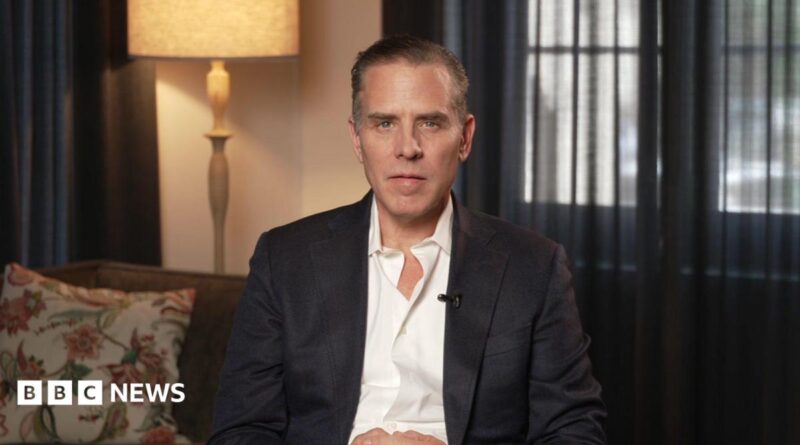
Hunter Biden says pardon was ‘not good’ for America or his father’s legacy
Hunter Biden’s Presidential Pardon: A Complex Legacy
Hunter Biden’s recent admission of being “the most privileged person there is” following a presidential pardon from his father, former President Joe Biden, has stirred significant controversy. This move, while deeply personal, raises questions about political ethics, legacy, and the boundaries of presidential power.
The Pardon in Context
A Controversial Decision
- Presidential Power: Joe Biden’s decision to pardon his son has sparked debate about the ethical use of presidential pardons. Critics argue it undermines the impartiality of justice.
- Hunter’s Perspective: Hunter acknowledged the criticism, admitting the pardon was “not good” for America or his father’s legacy but expressed gratitude for his father’s decision.
Political and Personal Implications
- Legacy at Stake: The pardon may cast a long shadow over Joe Biden’s presidency, impacting his historical legacy.
- Avoiding Political Targeting: Hunter suggested the pardon was necessary to prevent him from becoming a target under Donald Trump’s administration.
Ethical Considerations
Impact on Public Trust
- Perception of Nepotism: The pardon has fueled concerns about favoritism and the potential misuse of presidential powers for personal reasons.
- Public Reaction: Many Americans question the fairness of such a pardon, particularly given the legal issues it covers, including a federal gun conviction and tax case.
The Role of Family in Politics
- Father-Son Dynamics: The situation underscores the complex intersection of personal relationships and political responsibilities.
- Unspoken Agreements: Hunter insisted there were no prior discussions about the pardon, highlighting the sensitivity and secrecy surrounding such decisions.
Industry Impact
Broader Implications for Governance
- Presidential Precedent: This case sets a precedent for future administrations regarding the limits of presidential pardons.
- Legal and Ethical Scrutiny: It may lead to increased scrutiny and calls for reform in how pardons are granted to ensure fairness and transparency.
Key Takeaways
- Balancing Act: The Biden pardon illustrates the delicate balance between personal loyalty and public duty.
- Legacy Considerations: Political leaders must weigh the long-term impact of personal decisions on their legacy and public trust.
- Future Reforms: This incident may drive discussions on reforming the pardon process to prevent potential abuses of power.
In summary, while Hunter Biden’s pardon by his father is a deeply personal affair, it carries significant political and ethical weight, challenging how presidential powers are perceived and utilized.
