
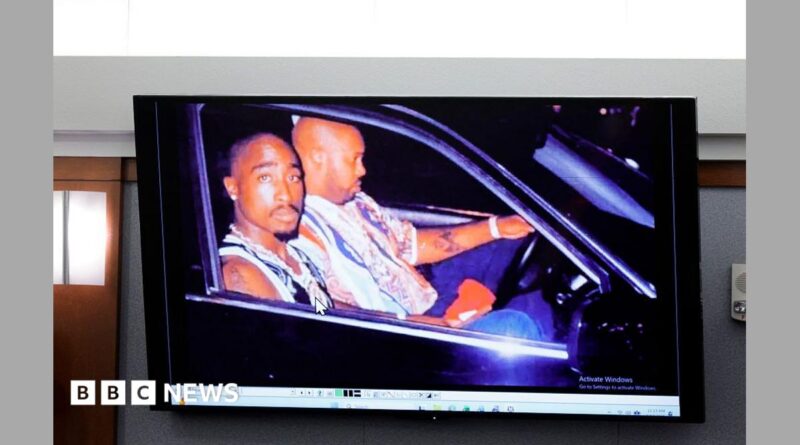
Tupac’s murder was act of revenge, prosecutors allege in trial’s opening day
Revisiting a Cold Case: The Complex Trial Over Tupac Shakur’s Murder
The trial concerning the murder of iconic rapper Tupac Shakur is unfolding with dramatic flair, as both prosecution and defense present starkly different narratives. The trial, which delves into events from nearly three decades ago, raises questions about justice, gang culture, and the reliability of evidence over time.
The Prosecution’s Standpoint
The Alleged Ringleader
Prosecutors have positioned Duane Davis as the orchestrator behind Shakur’s murder. Despite not pulling the trigger himself, Davis is accused of planning the shooting as retaliation for an earlier altercation involving his nephew, Orlando Anderson.
-
Memoir as Evidence: A significant piece of evidence is Davis’s own memoir, where he allegedly details his involvement. This document, combined with past statements, forms the crux of the prosecution’s case.
-
Gang Rivalries: The case hinges on the infamous East Coast vs. West Coast rap rivalries and gang affiliations, specifically between the Bloods and the Crips, which were prevalent in the 1990s.
The Defense’s Counterarguments
Fiction or Fact?
Davis’s defense argues that the prosecution’s narrative is more fiction than fact, built on a flawed investigation and unreliable testimonies.
-
Disputed Memoir: Davis’s attorneys claim that his memoir contains fictionalized elements intended to boost sales, and thus should not be considered reliable evidence.
-
Investigation Critique: The defense highlights the lack of arrests over the years, pointing to missing reports and alleged biases in the initial investigation.
Challenges in Cold Case Prosecutions
Witness Reliability
The passage of time has complicated witness reliability, with accounts potentially influenced by media, financial incentives, or investigative pressure.
- Changing Testimonies: Witnesses have reportedly altered their stories, raising questions about their credibility.
Silence and Survival
The prosecution acknowledges the culture of silence within gang communities, which has historically hindered investigations. This environment of non-cooperation has been a significant barrier to justice.
Industry Impact: The Broader Implications
Cultural Reflection
This trial is not just about a single crime but reflects broader societal issues, including the impact of gang culture and the intersection of art and violence in the music industry.
Legal Precedents
The case could set important precedents regarding the use of personal writings as evidence and the challenges of prosecuting decades-old cases.
Key Takeaway
The trial of Duane Davis underscores the complexities involved in cold cases, where time can obscure facts and memories. As it unfolds, it will serve as a critical examination of how justice can be pursued amidst evolving narratives and societal changes.


