
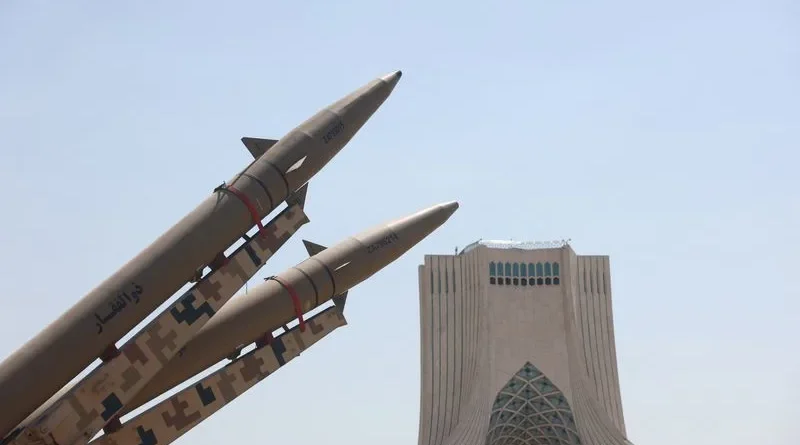
Trump says he will hold off on fresh Iran attack in hope of quick deal
U.S. Holds Off on Iran Strike Amid Potential Diplomatic Breakthrough
The geopolitical chessboard of the Middle East witnessed a potential turning point as former President Donald Trump announced a temporary halt on military actions against Iran. This decision hinges on the possibility of reaching a swift agreement to curb Iran’s nuclear activities and reopen the crucial Strait of Hormuz.
Why This Matters
The Strait of Hormuz: A Critical Artery
The Strait of Hormuz is a vital maritime passage, responsible for the transit of 20% of the world’s oil. Its closure due to escalating tensions has spurred energy price hikes, impacting global markets and contributing to inflationary pressures.
Diplomatic Efforts Over Military Action
Trump’s decision to pause military actions reflects a strategic pivot towards diplomacy, potentially averting further destabilization in the region. This move aligns with Saudi Crown Prince Mohammed bin Salman’s push for dialogue, emphasizing the necessity of de-escalation.
The Role of Regional Players
The involvement of key regional players like Saudi Arabia underscores the complexity of Middle Eastern geopolitics. Their participation could be pivotal in brokering a deal that addresses both nuclear concerns and regional stability.
The Broader Context
Rising Tensions and Economic Implications
- Oil Price Surge: The conflict has driven Brent crude futures up by 24%, straining economies and increasing political pressure on the U.S. administration.
- Military Readiness: Iran maintains high military readiness, signaling potential retaliation if negotiations falter, heightening the risk of regional conflict.
Global Security Concerns
The potential for conflict extends beyond the immediate region, with threats to other strategic waterways like the Bab el-Mandeb Strait. This could further disrupt global oil supply chains and maritime security.
Industry Impact
Energy Sector Turbulence
- Supply Chain Disruptions: Continued instability could lead to further disruptions in oil supply, affecting prices and global energy markets.
- Investment Uncertainty: Geopolitical risks may deter investments in the region, impacting future energy projects and infrastructure development.
Political and Economic Ramifications
- U.S. Domestic Pressure: Rising fuel costs are politically sensitive, pushing U.S. leaders to seek resolutions that balance security objectives with economic stability.
- Regional Alliances: The situation may reshape alliances, with countries reassessing their strategic partnerships in response to evolving threats.
Key Takeaway
The temporary halt on military action against Iran marks a critical juncture with potential for diplomatic resolution. However, the situation remains fluid, with significant implications for global energy markets and regional stability. Stakeholders must navigate these complexities carefully, balancing immediate economic concerns with long-term strategic interests.


