
Lanterns: Damon Lindelof Weighs In on 2026’s Adaptation Wars
Navigating the Creative License Debate in Modern Adaptations
Adaptations are a staple of the entertainment industry, yet they often spark heated debates over creative license versus fidelity to source material. Recent projects like “Lanterns,” Christopher Nolan’s “The Odyssey,” and Zach Cregger’s “Resident Evil” have reignited this discourse, highlighting a persistent tension between innovation and tradition.
The Heart of the Controversy
Creative Risks vs. Fan Expectations
-
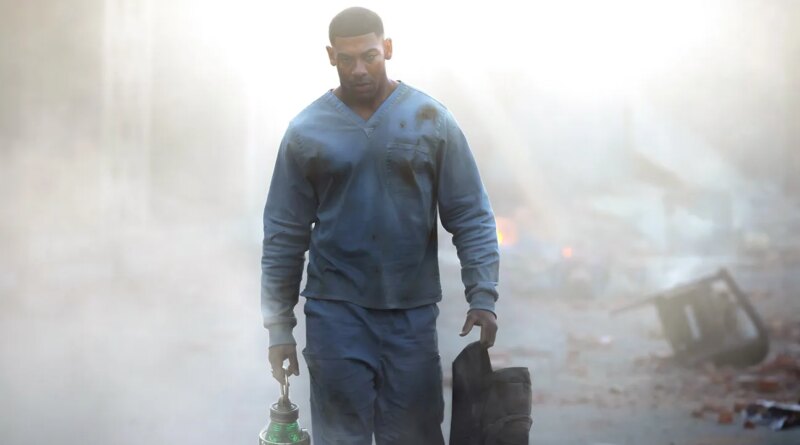
“Lanterns” reimagines the Green Lantern Corps in a grounded, small-town Nebraska setting, diverging from its cosmic origins. This shift, alongside the portrayal of an older Hal Jordan, sparked debate among fans who prefer the idealized version of the character.
-
Nolan’s “The Odyssey” faced criticism for its modern adaptations, such as using American accents and anachronistic elements, despite becoming Nolan’s highest-grossing film. Fans argued for authenticity to the Greek roots, reflecting a tension between creative modernization and traditional expectations.
-
“Resident Evil” saw backlash for not engaging deeply with existing characters and stories, as Cregger chose to capture the gaming experience rather than adhere strictly to its narrative.
The Role of Adaptation
Damon Lindelof, co-creator of “Lanterns,” emphasizes that adaptation inherently involves change. He argues that staying overly faithful to source material negates the transformative aspect of adaptation. The goal is to balance respect for the original with innovative storytelling.
Why It Matters
Industry Insights
-
Audience Paradox: Consumers express a desire for new experiences yet continue to support familiar franchises. This paradox fuels ongoing debates and influences creative decisions in Hollywood.
-
Financial Dynamics: The dominance of branded entertainment suggests that financial incentives often drive the recycling of familiar stories, despite vocal demands for originality.
Creative Perspective
Lindelof and Tom King, co-creators of “Lanterns,” stress the importance of quality and emotional authenticity in adaptations. They advocate for creative risks that resonate emotionally with audiences, even within familiar intellectual properties.
Key Takeaway: Embracing Evolution in Storytelling
The discourse around adaptations underscores a broader cultural tension between nostalgia and innovation. While fans’ attachment to original material is understandable, the evolution of storytelling requires a willingness to embrace change. For creators, the challenge lies in crafting narratives that honor the essence of the original while offering something fresh and engaging.
As long as audience behavior favors familiar franchises, creators will continue to navigate this delicate balance, striving to infuse authenticity and creativity into their adaptations.


