
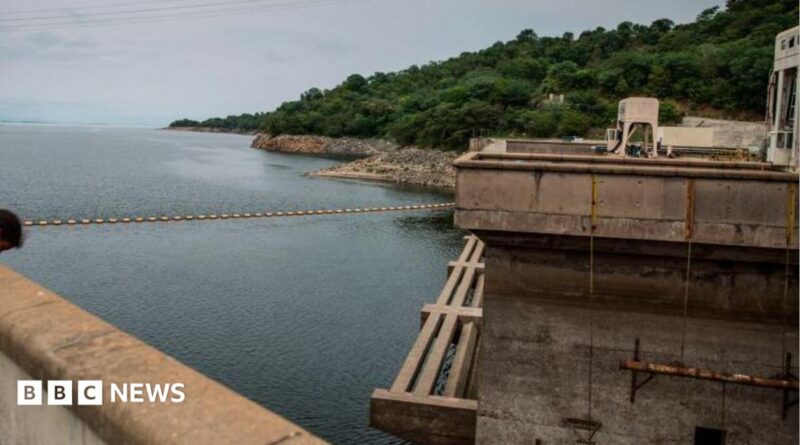
Lake Kariba tragedy: At least 15 die as Zimbabwe boat sinks with dozens on board
Tragedy on Lake Kariba: Overloading and Safety Concerns in Focus
A devastating incident on Lake Kariba has left at least 15 people dead after a boat carrying dozens capsized. As rescue efforts continue, questions about safety regulations and accountability are being raised.
Overloading: A Persistent Threat
The boat, reportedly overloaded, carried 90 passengers and five crew members, though ticket sales suggest the number could be higher. Overloading is a significant risk factor, compromising stability and increasing the likelihood of accidents.
- Registered Tickets: Indicated 114 adults on board.
- Unaccounted Passengers: Potentially included children below ticketing age.
This discrepancy highlights systemic issues in passenger management and safety compliance.
The Role of Lake Kariba
Lake Kariba, straddling Zimbabwe and Zambia, is crucial for regional transport, fishing, and hydroelectric power. The lake’s economic importance underscores the need for stringent safety measures to prevent future tragedies.
- Economic Hub: Supports local economies through transport and fishing.
- Hydroelectric Power: Vital for energy supply in both countries.
Community and Political Reactions
Local MP Mutsa Murombedzi shared footage and called for transparency about the number of passengers. Her statement reflects growing frustration and demands for accountability from officials.
- Public Outcry: Calls for honest reporting and improved safety protocols.
- Official Response: Awaiting further details from authorities.
Industry Impact
This incident underscores the urgent need for improved maritime safety standards and regulatory enforcement on Lake Kariba. Key areas for action include:
- Enhanced Safety Protocols: Implement strict regulations on passenger limits.
- Regular Inspections: Ensure vessels are seaworthy and properly maintained.
- Accountability Measures: Hold operators accountable for safety breaches.
Key Takeaway
The Lake Kariba tragedy is a stark reminder of the critical importance of adhering to safety regulations and ensuring accurate passenger records. As the region relies heavily on the lake for economic activities, prioritizing safety can prevent future incidents and save lives.


