
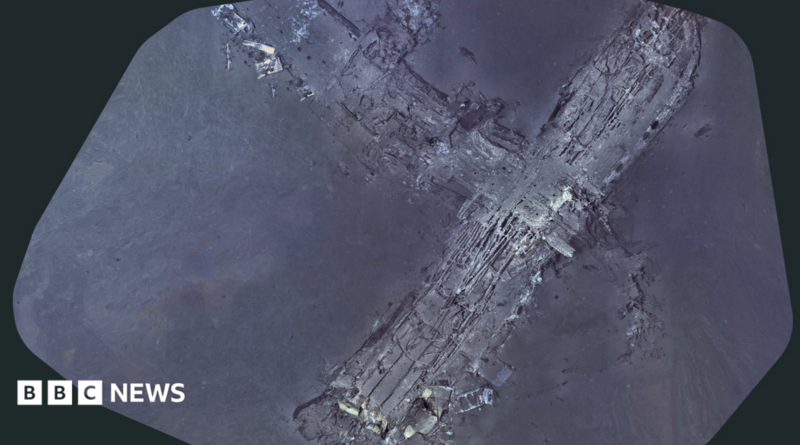
Wreckage of Pan Am plane that shaped aviation safety found 74 years on
Discovery of Pan Am Wreckage: A Legacy of Aviation Safety Reforms
The recent discovery of the Pan American Airways Clipper Endeavor wreckage, 74 years after its tragic crash, serves as a poignant reminder of the enduring impact of aviation safety reforms. Unearthed by a sonar-equipped drone off the coast of Puerto Rico, this find not only brings closure to a historical mystery but also underscores the vital evolution of airline safety protocols.
The Clipper Endeavor’s Final Flight
On April 11, 1952, the Clipper Endeavor, a Douglas DC-4 aircraft, faced multiple-engine failure shortly after taking off for New York. Despite the successful water landing, chaos ensued as passengers struggled to find life vests and rafts. Of the 69 people onboard, only 17 survived. This tragedy highlighted critical safety gaps, prompting a reevaluation of in-flight emergency procedures.
The Search and Discovery
The wreckage was located 2,000 feet below sea level through a collaborative effort led by the Air/Sea Heritage Foundation and the Discovery Channel’s “Expedition Unknown.” The use of an autonomous sonar drone was instrumental in identifying the aircraft’s fuselage and tail, marking a significant achievement in underwater exploration.
Key Features of the Discovery Effort:
- Partnerships: Collaborations with multiple organizations.
- Technology: Use of advanced sonar-equipped drones.
- Historical Significance: Provides closure to a decades-old mystery.
Aviation Safety Reforms: A Lasting Legacy
The Clipper Endeavor disaster was a catalyst for modern aviation regulations. The confusion during the evacuation led to mandatory pre-flight safety briefings and improved flotation equipment on planes. These reforms have since become standard, significantly enhancing passenger safety.
Industry Impact:
- Mandatory Safety Briefings: Ensures passengers are equipped with vital safety information.
- Improved Equipment: Better flotation devices now standard on commercial flights.
- Regulatory Evolution: The incident shaped comprehensive safety protocols still in place today.
Reflecting on the Discovery
Russ Matthews, president of the Air/Sea Heritage Foundation, expressed both elation and humility upon the discovery. This sentiment resonates with the broader aviation community, reminding us of the lessons learned from past tragedies and the ongoing commitment to passenger safety.
Key Takeaway
The Clipper Endeavor’s rediscovery is more than a historical footnote; it is a testament to the transformative power of tragedy in driving progress. The aviation industry’s rapid response in implementing safety reforms has saved countless lives since, highlighting the critical importance of continuous improvement in safety standards. As technology advances, so too must our commitment to ensuring the skies remain safe for all who travel.


