
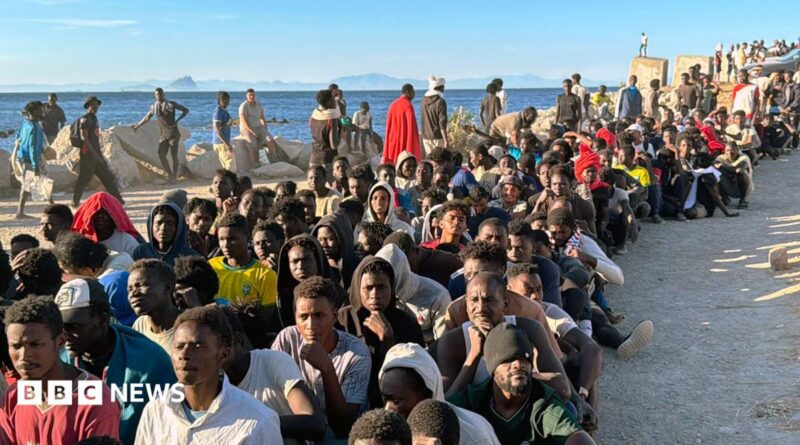
Spain to impose border controls against Italy as row over Ceuta migrant influx intensifies
Spain and Italy Clash Over Border Controls: What It Means for the EU
A diplomatic spat between Spain and Italy has escalated into a full-blown border control battle, disrupting travel and testing EU unity. This conflict, rooted in differing migration policies and political ideologies, underscores the challenges facing the EU as it grapples with migration and security issues.
The Root of the Conflict
Migration Tensions
Spain’s decision to impose border controls on air and sea travel from Italy comes in response to Italy’s similar measures. This tit-for-tat move is a reaction to Italy’s earlier restrictions following a surge of migrants from Morocco into Spain’s Ceuta enclave.
- Spain’s Perspective: Spain views Italy’s actions as unnecessary and based on unfounded security concerns.
- Italy’s Position: Italy insists the controls are crucial to prevent migrants from reaching its shores, citing security and potential terrorism risks.
Political Dynamics
This crisis pits Spain’s socialist leader Pedro Sanchez against Italy’s conservative Giorgia Meloni. The clash highlights the broader EU debate over migration, with Meloni advocating for stricter rules.
Impact on Schengen and EU Relations
Schengen Under Strain
Italy’s temporary suspension of the Schengen Agreement, which allows passport-free travel across much of Europe, is a significant move. While the measures are targeted at non-EU nationals, they symbolize the fragility of EU cohesion in the face of national security concerns.
- Implications for Travel: Travelers face increased scrutiny and potential delays, disrupting the free movement that Schengen is designed to ensure.
- EU Unity Tested: This standoff highlights the challenges of balancing national interests with collective EU policies.
Industry Impact
Travel and Tourism
The imposition of border checks impacts the travel industry significantly, potentially deterring tourists and complicating logistics for airlines and shipping companies.
- Tourism Concerns: Long queues and delays could deter visitors, affecting economies reliant on tourism.
- Operational Challenges: Airlines and shipping companies may face increased costs and logistical hurdles due to the additional checks.
Key Takeaway: Navigating the EU’s Migration Challenges
This diplomatic row between Spain and Italy is more than just a bilateral issue; it reflects the broader challenges the EU faces in managing migration and maintaining cohesion.
- For Policymakers: There’s a pressing need to harmonize migration policies and security measures across the EU.
- For Businesses: Companies in the travel and logistics sectors must prepare for potential disruptions and adapt to changing regulations.
Ultimately, this situation underscores the importance of dialogue and cooperation in addressing complex cross-border issues within the EU framework.
