
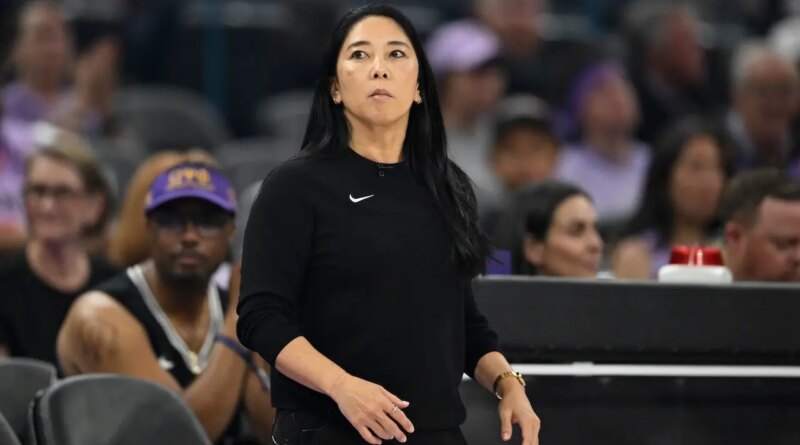
Valkyries coach Natalie Nakase defends trans athletes in women’s sports as culture war engulfs WNBA
The Growing Debate: Trans Athletes in Women’s Sports
In recent days, the WNBA has found itself at the center of a contentious debate over the inclusion of transgender athletes in women’s sports. This issue has gained traction, with four head coaches, including Golden State Valkyries’ Natalie Nakase, addressing the topic in a span of three days.
Coaches’ Perspectives on Inclusivity
Natalie Nakase’s Stand
Natalie Nakase, the reigning WNBA Coach of the Year, emphasized inclusivity and belonging in sports. Drawing from her own experiences as a third-generation Japanese-American, Nakase highlighted the importance of allowing everyone to be their authentic selves. Her stance supports the inclusion of trans women in women’s sports, advocating for a space where all athletes feel they belong.
Diverse Views Among Coaches
- Stephanie White (Indiana Fever): White expressed a lack of scientific expertise but leaned towards inclusivity, recalling her own experiences playing with boys during her youth.
- Alex Sarama (Portland Fire): Sarama avoided a definitive stance, focusing instead on supporting all communities.
- Cheryl Reeve (Minnesota Lynx): Reeve addressed misconceptions, stating that the portrayal of trans women as threats in locker rooms is misleading and emphasized the peaceful nature of recent rallies.
The Broader Impact
Industry Impact
This ongoing debate underscores the complex intersection of sports, gender identity, and societal norms. The WNBA, known for its progressive stance on social issues, faces a pivotal moment as it navigates these discussions. The reactions from coaches and players could influence policies and perceptions within the league and beyond.
Key Takeaways
- Inclusivity vs. Fairness: The core of the debate centers around balancing inclusivity with fairness in competition.
- Public Perception: The national attention highlights a divided public, with strong opinions on both sides influencing the narrative.
- Future Implications: As more sports leagues confront similar issues, the WNBA’s handling of the situation could serve as a blueprint for others.
The conversation around trans athletes in women’s sports is not just about policy but about the values that sports embody—belonging, fairness, and respect. As this debate evolves, the WNBA’s response will be crucial in shaping the future landscape of sports inclusivity.


