
Tourist plane crashes in Peru, killing 13 on board
Tragedy Strikes Over Peru: Tourist Plane Crash Claims 13 Lives
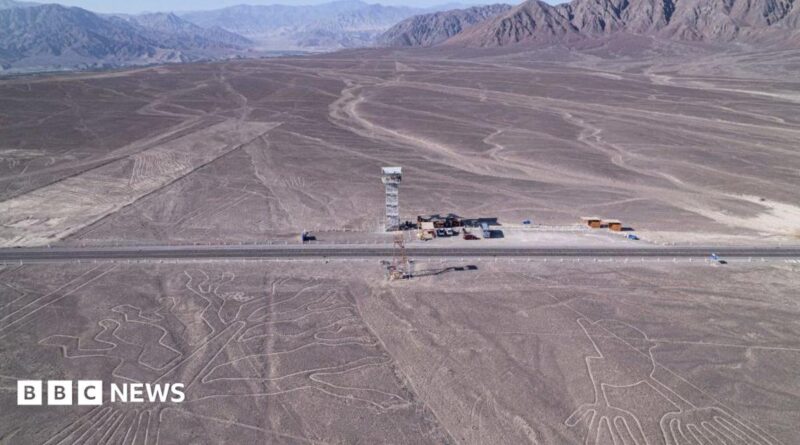
A tragic aviation accident has occurred in Peru, where a small plane crashed, resulting in the loss of all 13 individuals on board. This incident highlights ongoing safety concerns in aerial tourism over the Nazca Lines, a renowned archaeological site.
Details of the Incident
The ill-fated aircraft, a Cessna Caravan C-208, was carrying 11 tourists and two pilots when it went down on Saturday. The passengers hailed from Germany, Spain, and Italy, underscoring the international appeal of the Nazca Lines. The crash site was near the Pueblo Viejo region shortly after departing from Pisco airport.
Historical Context and Safety Concerns
The Nazca Lines, a UNESCO World Heritage site, draw tourists eager to witness the ancient geoglyphs etched into the Peruvian desert. However, this allure comes with risks. This crash is not isolated; similar incidents occurred in 2022 and 2010, claiming multiple lives each time.
- Recent Crashes:
- 2022: Seven fatalities in a similar crash.
- 2010: Six lives lost in another incident over the site.
These recurring tragedies raise questions about the safety protocols and maintenance standards of local airlines operating these tours.
Response and Implications
Following the crash, local authorities and Aerodiana, the airline involved, expressed profound condolences to the victims’ families. The airline has committed to reviewing its flight operations in compliance with regulatory directives.
Industry Impact
The string of incidents over the Nazca Lines may prompt:
- Stricter Regulations: Enhanced oversight on aircraft maintenance and pilot training.
- Tourism Impact: Potential decline in tourism if safety concerns are not addressed.
- Insurance and Liability: Increased insurance premiums for tour operators.
Key Takeaway
Safety must be the top priority in aerial tourism, especially in areas with a history of accidents. Stakeholders, including airlines and regulatory bodies, must collaborate to ensure robust safety measures are in place. This tragedy serves as a stark reminder of the risks involved and the critical need for stringent oversight to prevent future occurrences.


