
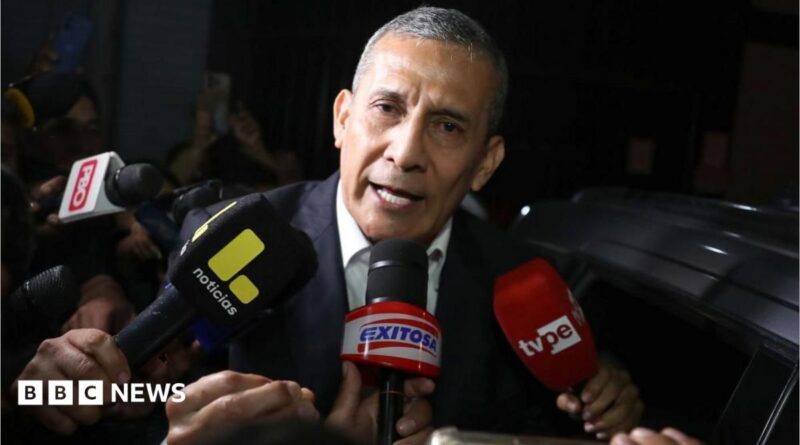
Peru’s ex-president leaves jail after 15-year jail term for corruption overturned
Peru’s Judicial Reversal: What It Means for Politics and Corruption
Peru’s constitutional court has overturned a significant corruption conviction against former President Ollanta Humala. This unexpected legal twist not only alters Humala’s fate but also sends ripples through Peru’s political landscape, raising questions about the judiciary’s role in high-profile corruption cases.
A Significant Overturn
The Court’s Decision
The constitutional court’s ruling nullifies the 15-year sentence Humala received in 2025 for allegedly accepting illicit funds from Venezuelan and Brazilian sources, including the infamous Odebrecht. His conviction was part of a broader crackdown on corruption that has embroiled several of Peru’s former leaders.
Why It Matters
- Judicial Precedent: The court’s decision challenges the initial verdict, potentially setting a precedent for how similar cases might be handled in the future.
- Political Repercussions: Humala’s release and the dismissal of charges may embolden other political figures facing similar accusations, impacting ongoing and future investigations.
The Odebrecht Scandal: A Broader Context
The Scandal’s Reach
The Odebrecht scandal, one of the largest corruption cases in Latin America, has implicated multiple Peruvian presidents:
- Alejandro Toledo: Serving a 20-year sentence for accepting $35 million in bribes.
- Alan García: Tragically took his life amid impending arrest over bribery allegations.
- Pedro Pablo Kuczynski: Faced impeachment due to undisclosed payments.
Implications for Governance
- Trust in Institutions: Continuous revelations of corruption have eroded public trust in political and judicial systems.
- Reform Urgency: Calls for systemic reform are growing louder as Peruvians demand greater transparency and accountability.
Humala’s Perspective
Following his release, Humala claims political and judicial persecution, a sentiment echoed by his supporters. His case highlights the complex interplay between politics and justice in Peru, where allegations of bias and manipulation often surface.
Industry Impact
Key Takeaways
- Judicial Integrity: This ruling underscores the necessity for an independent judiciary capable of resisting political influence.
- Political Stability: The ongoing fallout from corruption cases continues to challenge Peru’s political stability, influencing both domestic policy and international perceptions.
- Future Investigations: As investigations continue, the outcomes may redefine political accountability in Peru and set new benchmarks for handling corruption.
Moving Forward
Peru’s battle against corruption is far from over. The constitutional court’s decision may inspire both scrutiny and reform, potentially reshaping the country’s political and judicial landscape. As the nation grapples with these challenges, the demand for integrity and justice remains paramount.


