
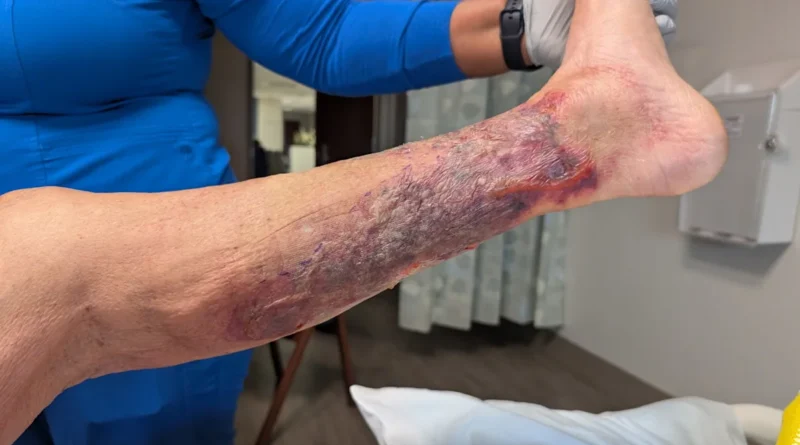
First flesh-eating bacteria death of 2026 recorded in this state
Understanding the Threat of Vibrio Vulnificus: Florida’s First Fatality of the Year
Florida has reported its first death this year due to Vibrio vulnificus, a bacterium commonly referred to as “flesh-eating” due to its severe effects on human tissue. While infections are relatively rare, the consequences can be dire, especially for individuals with compromised immune systems. This incident highlights the persistent threat posed by this bacterium in coastal regions.
What is Vibrio Vulnificus?
A Dangerous Pathogen
Vibrio vulnificus is a bacterium that thrives in warm, brackish waters where fresh and saltwater mix. Known for causing severe infections, it can lead to symptoms like tissue damage, blisters, fever, and even sepsis.
- Infection Type: Vibriosis, potentially leading to necrotizing fasciitis.
- Fatality Rate: Approximately 1 in 5 infected individuals may die.
- Common Locations: Gulf Coast states, particularly after severe weather events.
How It Enters the Body
Infections typically occur through:
- Open Wounds: Contact with contaminated water can lead to infection.
- Raw Seafood: Consuming undercooked shellfish, especially oysters, is a common transmission method.
Symptoms and Risks
Rapid Onset and Severe Consequences
Symptoms usually manifest within 24 hours and can escalate quickly, especially in vulnerable individuals. Key symptoms include:
- Red, swollen skin patches
- Fluid-filled blisters
- Nausea and diarrhea
- Low blood pressure and confusion
Prevention Strategies
Protecting Yourself
Given the potential severity, it’s crucial to take preventative measures:
-
When Eating Seafood:
- Always cook seafood thoroughly.
- Clean any surfaces that come into contact with raw seafood.
- Wash hands thoroughly after handling.
-
When Swimming:
- Avoid brackish water if you have open wounds.
- Cover any cuts to prevent exposure.
- Wash exposed skin immediately after contact with potentially contaminated water.
Who is Most at Risk?
- Individuals with weakened immune systems.
- Those with conditions such as liver disease, diabetes, or kidney failure.
Industry Impact
Key Takeaway
The presence of Vibrio vulnificus serves as a reminder of the ongoing challenges in managing public health risks in coastal areas. Increased awareness and preventive measures can mitigate the risk, but stakeholders must continue to monitor and respond to environmental factors that influence bacterial proliferation.
Understanding the dynamics of Vibrio vulnificus is crucial for healthcare providers, policymakers, and residents in affected areas to implement effective strategies that protect public health.


